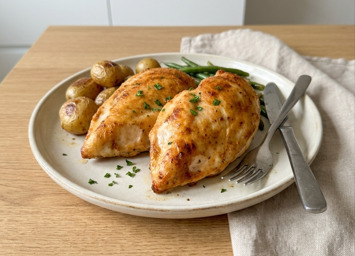
Teriyaki Chicken Bowl: The Weeknight Fix That Actually Works
Every time you try to make teriyaki chicken at home, the sauce either burns to a sticky black mess or stays thin and watery — nothing like the lacquered, glossy finish you’re picturing. You end up with sad, pale chicken sitting in a puddle of soy water, and you quietly close the tab on that recipe forever. But the problem isn’t the recipe. It’s one timing mistake almost everyone makes.
This teriyaki chicken bowl gives you deeply caramelized, glossy chicken with a sauce that clings — not pools — over steamed rice, ready in under 25 minutes. The technique is simple, the ingredients are pantry staples, and after testing three versions in my own kitchen, this is the one I actually make on a Tuesday.
Pro Tip

The mistake: adding the teriyaki sauce too early, while the chicken is still releasing moisture. That liquid dilutes your sauce immediately and you spend the next 10 minutes trying to cook it down — by which point the chicken is overdone. The fix: sear the chicken completely first until it hits an internal temperature of 165°F (74°C), then remove the pan from the heat for 30 seconds before adding the sauce. That brief pause stops the steaming effect and lets the sauce reduce against dry, hot chicken instead of a pool of juices.
Mirin is the key ingredient — look for it in the Asian aisle of most large supermarkets, or in any Asian grocery store. Go for hon-mirin (real mirin) over mirin-style seasoning if you can find it: it’s less sweet and reduces cleaner. Can’t find it? Dry sherry plus a pinch of sugar is a solid swap. For soy sauce, a low-sodium version gives you more control over the final saltiness.
Teriyaki Chicken Bowl: The Weeknight Fix That Actually Works
4
servings10
minutes15
minutes480
kcal25
minutesIngredients
1.5 lbs boneless, skinless chicken thighs (680g), cut into 1-inch pieces
1 tbsp neutral oil (sunflower or vegetable)
3 cups cooked short-grain white rice (600g), warm
3 tbsp soy sauce (45ml), low-sodium preferred
2 tbsp mirin (30ml)
1 tbsp sake or dry sherry (15ml)
1 tbsp honey
1 tsp fresh ginger, finely grated
1 tsp cornstarch dissolved in 1 tbsp cold water
2 scallions, thinly sliced
1 tsp sesame seeds
Directions
- Mix the sauce. Whisk together soy sauce, mirin, sake, honey, ginger, and the cornstarch slurry in a small bowl and set aside. Having this ready before the chicken hits the pan is non-negotiable — the window between perfect and burnt is about 45 seconds.
- Sear the chicken. Heat oil in a wide skillet over medium-high heat, then add the chicken pieces in a single layer. You should hear a sharp sizzle the moment the chicken touches the pan — if it doesn’t sizzle, the pan isn’t hot enough and the chicken will steam instead of sear.
- Cook through. Leave the chicken undisturbed for 4 minutes, flip, and cook another 3–4 minutes until the internal temperature reaches 165°F (74°C). Resist moving the pieces: the crust only forms if the chicken has full contact with the hot surface.
- Rest the pan. Pull the skillet off the heat and wait 30 seconds before adding the sauce. This is the step most recipes skip — see the Pro Tip above for exactly why it matters.
- Add the sauce. Return the pan to medium heat, pour in the sauce, and toss to coat. Within 60–90 seconds the sauce will turn from pale and loose to a deep amber glaze that coats the back of a spoon — that’s your signal to stop cooking.
- Assemble the bowls. Divide rice between four bowls, top with glazed chicken, and finish with scallions and sesame seeds. Serve immediately — the glaze tightens as it cools and loses that silky, flowing texture.
Variations

Swap chicken thighs for extra-firm tofu (pressed and cubed) for a fully plant-based version — the same searing technique applies, just add 2 minutes per side. For a lower-carb bowl, replace half the rice with cauliflower rice and serve them side by side so everyone at the table can choose their ratio.
Serving Suggestions
A quick cucumber salad dressed with rice vinegar and a pinch of chili flakes cuts through the richness of the glaze beautifully. Steamed edamame on the side adds protein and texture without any extra cooking time. Pickled ginger — the kind sold alongside sushi — works as a sharp, palate-cleansing garnish.
FAQ
Can I use chicken breasts instead of thighs?
You can, but thighs are genuinely more forgiving here — they stay juicy even if you go 30 seconds too long. If you use breasts, slice them thinner (about ½ inch / 1.2cm) and reduce the cook time by 2 minutes to avoid dryness.
My sauce isn’t thickening — what went wrong?
The most likely cause is too much liquid in the pan from the chicken. Make sure you follow the 30-second rest off the heat before adding the sauce, and if it’s still thin, let it bubble for an extra 30 seconds on medium-high. The cornstarch slurry activates quickly once the liquid is hot enough.
Can I make the sauce ahead and store it?
Yes — the sauce keeps in a sealed jar in the fridge for up to a week. Just shake or stir before using, since the cornstarch settles. It also works well as a quick marinade for salmon or pork tenderloin, which opens up a whole different direction for the same base recipe.